
How KAP Training Benefits Your Clinical Practice: Insights from Elemental Alumni
Updated: Aug 28
Ketamine-assisted psychotherapy (KAP) is the most widely available psychedelic-assisted therapy in the US and is becoming increasingly popular as a pathway for clinicians to treat mental health conditions, including depression, anxiety, OCD, and PTSD.
At Elemental, we’re proud to provide ketamine therapy training to dozens of practitioners each year, in a model rooted in community support and ethical care.
We recently spoke to three of our graduates about how training in ketamine-assisted psychotherapy impacted their clinical practices. They shared how KAP training expanded their ability to support clients through deep-rooted challenges and reshaped how they understand their role, as well as offering advice for clinicians considering integrating KAP into their toolkit.
Our contributors are:
Rebecca Bundy, a Licensed Professional Counselor based in Lafayette, Colorado
David Chakoian, MD, a retired family physician based in Viroqua, Wisconsin
MaryAnn Longwell, Licensed Clinical Social Worker and owner of Chipita Counseling Services, LLC, based in Salida, Colorado
Here’s what they had to say.
KAP Helps Clients Get Unstuck and Go Deeper
Talk therapy is an incredible tool for people struggling with their mental health. But it’s sometimes not enough to help people access the deep-rooted emotions and psychological material they need to move forward.
All three of our alumni spoke about how KAP helps their clients reach places that they wouldn’t have otherwise been able to through conventional means.
“Rather than replacing psychotherapy, I saw KAP as a way to deepen it, to help clients access emotions, perspectives, and internal resources that often remain just out of reach in traditional forms of psychotherapy. I especially wanted to offer KAP to clients who, for a variety of reasons, felt stuck despite their efforts to heal,” said Rebecca Bundy.
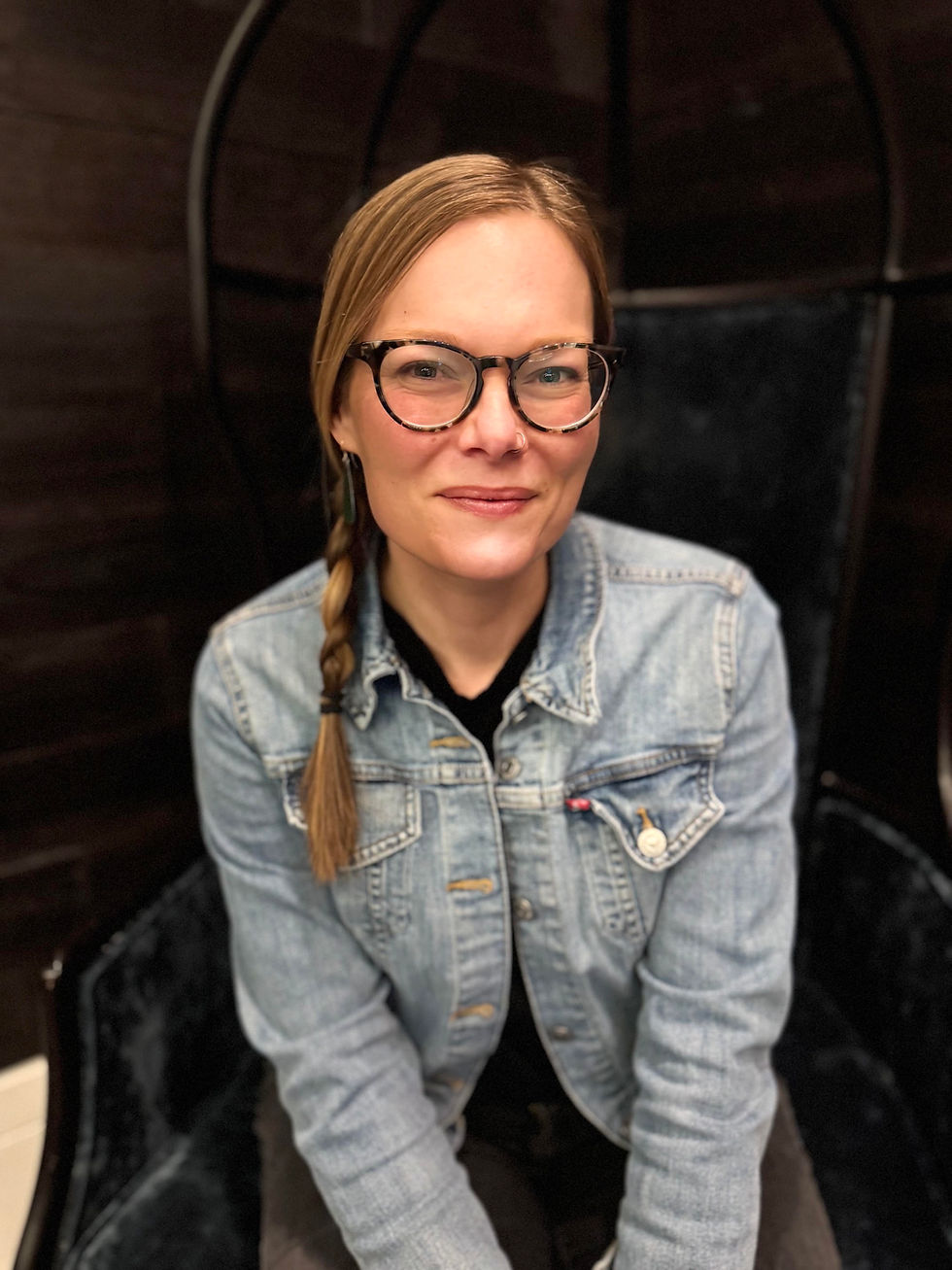
This sentiment was echoed by MaryAnn Longwell, who found KAP to be helpful in her own personal development and healing before undergoing ketamine therapy training.
“By offering KAP sessions in my practice, I believe I am offering cutting-edge treatment in a safe
and sacred environment, and supporting clients to access aspects of their consciousness that
would take much longer in traditional therapy, if ever,” she shared.
MaryAnn Longwell sees KAP’s healing potential through an Internal Family Systems (IFS) lens. When she’s combined the two modalities, her clients have reported increased calm, improved mood, greater sense of gratitude, and a connection to what was described as expansiveness from the sessions.
David Chakoian, who works together with co-sitters to facilitate ketamine sessions in his clinic in Wisconsin, also described KAP’s power to help his clients move through blockages.
“My clinic offers KAP as its main thrust. It has let me open the way forward to people
who are stuck, who have worked so hard and can’t get past their blockages. I love the
incredible depth of connection I get with my clients and the ability to assist the work
they’re doing with their therapists,” he shared.
KAP Enables a More Holistic, Client-Led Model of Healing
Another key way that KAP has impacted our graduates’ practice is by changing how they view their role as clinicians. Rather than the practitioner doing or delivering the healing, with KAP, their job is to create the conditions in which the client’s own healing capacity can emerge.
This tenet is foundational to Rebecca’s approach to her work as a psychotherapist and KAP practitioner. “KAP has deepened my trust in each client's innate healing capacity. KAP has reinforced the importance of the therapist's presence over insight – some of the most meaningful work comes from creating a space where clients feel safe enough to surrender to their own inner experience,” she explained.
“KAP continually reminds me that healing is often less about expertise and technique and more about creating the conditions where a client’s own wisdom can emerge,” she added.

David contrasts his previous experience prescribing psychotropic medication with the whole-person approach he discovered through psychedelic therapy.
“KAP training, and in particular KAP practice, has radically changed my approach to
mental health. I’ve prescribed plenty of psychotropics in my time, far beyond the usual
primary care antidepressants. With psychedelics, I can address the whole person, on
every level, including spiritual, if they are ready to go deep,” he shared.
“By analogy, Band-Aids are really useful, but deep wounds may need surgery to heal. That, I feel, is where KAP comes in.”
MaryAnn also describes KAP and IFS together as “holistic and less pathological. Working with one’s parts with the medicine feels empowering and compassionate.”
KAP Supports a Foundation of Safe, Relational Therapy
Ketamine-assisted psychotherapy – especially as we teach it at Elemental – is about more than just the medicine experience. Its true potential emerges when ketamine sessions are combined with thoughtful preparation, therapeutic trust, a commitment to integration, and ongoing professional support.
“Clients consistently tell me that the preparation sessions, integration work, and therapeutic relationship are essential parts of the process. Feeling safe, known, and accompanied allows them to notice and integrate both the subtle and profound threads of healing,” shared Rebecca, who came to KAP training after her own process of healing through psychedelic-assisted therapy.
With this foundation of trust and commitment to the work, Rebecca has “witnessed remarkable shifts in clients struggling with anxiety, depression, grief, and trauma. While ketamine is certainly not a miracle cure-all, it creates a unique window of neuroplasticity that can make profound therapeutic change more accessible.”

MaryAnn reflected that, with KAP, “insights and awareness seem to be heightened, and with preparation and intention, and then aftercare in the form of integration time, I have seen growth, deeper awareness, and change.”
David echoed this sentiment, remarking that client selection is the key to success and that KAP only works when the client does the hard internal work. “Ketamine is not a miracle drug, it’s not a cure – it’s just a catalyst,” he said.
Advice for Clinicians Considering Ketamine-Assisted Psychotherapy Training
Our graduates also offered their wisdom for those exploring integrating ketamine-assisted psychotherapy into their practice.
Both Rebecca and MaryAnn noted coming to this work through their own personal experiences with ketamine therapy.
“My biggest piece of advice is to experience KAP as a client and get a felt sense for the process of doing psychedelics in a therapeutic context. Not only might you experience meaningful healing yourself, you will gain a felt understanding of the process that can help you accompany and hold your clients with more steadiness, confidence, and compassion,” said Rebecca.
MaryAnn shared that her personal experiences with KAP “opened me up to a level of consciousness I had not visited ever before, and I appreciated the insights that became available.”
Both David and Rebecca emphasize the importance of rigorous training and collaborating with others.
“With training from Elemental Psychedelics and mentoring by a phenomenal psychiatrist and Elemental KAP Faculty, Katie Fassbinder, I achieved a level of skill where I felt I could bring this treatment to my community. This is no place for amateurs!” expressed David.

Rebecca reflected on not going alone when it comes to KAP and why the initial training is not a one-and-done process:
“I remember saying in one of my training sessions: 'psychedelic-assisted psychotherapy feels like the wild west, and I am not a cowboy!’ (Meaning: I like to feel safe and in control!). The group reminded me to reach out for support and not do it alone. Having support is essential in this work, and I seek ongoing supervision and consultation.”
One final word of wisdom from Rebecca is to take a slow and steady approach while building your practice.
“Don't feel pressure to build a high-volume KAP practice. There are many ways to integrate KAP into your practice. My own KAP practice is intentionally “boutique” – I typically work with only one or two KAP clients at a time as my schedule allows – and I've found that pace to be both sustainable and deeply rewarding,” she offered.
The message from our graduates is clear: KAP can expand your treatment offerings and provide a new pathway to healing for your clients. However, remember that responsible practice requires humility, collaboration, and ongoing learning. As our alumni emphasize, the goal is not to just offer ketamine sessions, but to provide relational, therapeutic care that helps the individual connect with their own innate healing capacity.
Curious About Ketamine Therapy Training?
If you are ready to gain the education, experience, and tools you need to start your ketamine-assisted therapy practice, we invite you to explore our training at Elemental Psychedelics.
Our program includes 20 hours of in-person and virtual education, along with 12 hours of guided experiential ketamine treatment. We also offer ongoing consultation groups to ensure you are well-resourced as you start, grow, or maintain your KAP practice.
Frequently Asked Questions: Ketamine-Assisted Psychotherapy Training
What is KAP training?
KAP training teaches clinical professionals how to safely and ethically integrate ketamine-assisted psychotherapy into their practice. A comprehensive program typically covers ketamine’s effects, indications, and contraindications, client screening, preparation, dosing and administration routes, therapeutic support, integration, informed consent, and responding to challenging experiences.
Unlike general ketamine training for medical administration, ketamine-assisted psychotherapy training focuses on how the medicine and the therapeutic process work together. Elemental’s experiential KAP training also explores set and setting, psychospiritual experiences, practitioner ethics, and the relational skills needed to support clients before, during, and after ketamine sessions.
Who can take ketamine-assisted psychotherapy training?
Ketamine-assisted psychotherapy training is primarily designed for clinical professionals from counseling, psychology, social work, psychiatry, medicine, nursing, and related health or mental health fields. Admission requirements vary by program, so prospective students should check whether a particular course requires professional licensure, graduate-level education, or clinical experience.
Completing KAP training does not expand a practitioner’s legal scope of practice or authorize them to prescribe ketamine. Therapists who do not have prescribing authority generally provide KAP in collaboration with a qualified medical prescriber responsible for assessing the client and prescribing the medicine. Clinicians must also follow their state’s licensing rules and professional standards.
What skills do you learn in ketamine training?
Ketamine training helps clinicians develop skills in client assessment, screening, preparation, journey support, integration, ethics, informed consent, and risk management. Participants may learn about ketamine’s indications and contraindications, routes of administration, dosing principles, set and setting, therapeutic presence, and ways to support challenging or transpersonal experiences.
Quality ketamine therapy training should also address professional boundaries, power dynamics, touch agreements, cultural responsiveness, and collaboration between therapists and prescribers. Experiential programs may give clinicians a felt understanding of altered states, while supervision and ongoing consultation help them apply these skills responsibly in clinical practice.
How is ketamine used in mental health treatment?
In the United States, ketamine is FDA-approved as an anesthetic but may be prescribed off-label by qualified medical professionals for certain mental health conditions, particularly treatment-resistant depression. Research has found that ketamine can produce rapid antidepressant effects for some people, although responses and durability vary.
In ketamine-assisted psychotherapy, the medicine is combined with preparation, therapeutic support, and integration to help clients explore emotions, perspectives, and behavioral patterns.
Can KAP improve client outcomes?
KAP may improve outcomes for some appropriately selected clients, but it is not a guaranteed cure. Research suggests that KAP may help reduce symptoms and make emotions, memories, and new perspectives more accessible during therapy. Preparation and integration may then help clients translate these experiences into meaningful, sustained change.
However, a published review of KAP research noted that larger, replicated clinical trials are needed to establish its effectiveness and clarify how psychotherapy contributes to outcomes. Results depend on factors such as client suitability, clinical oversight, therapeutic trust, preparation, integration, and the condition being treated.

